


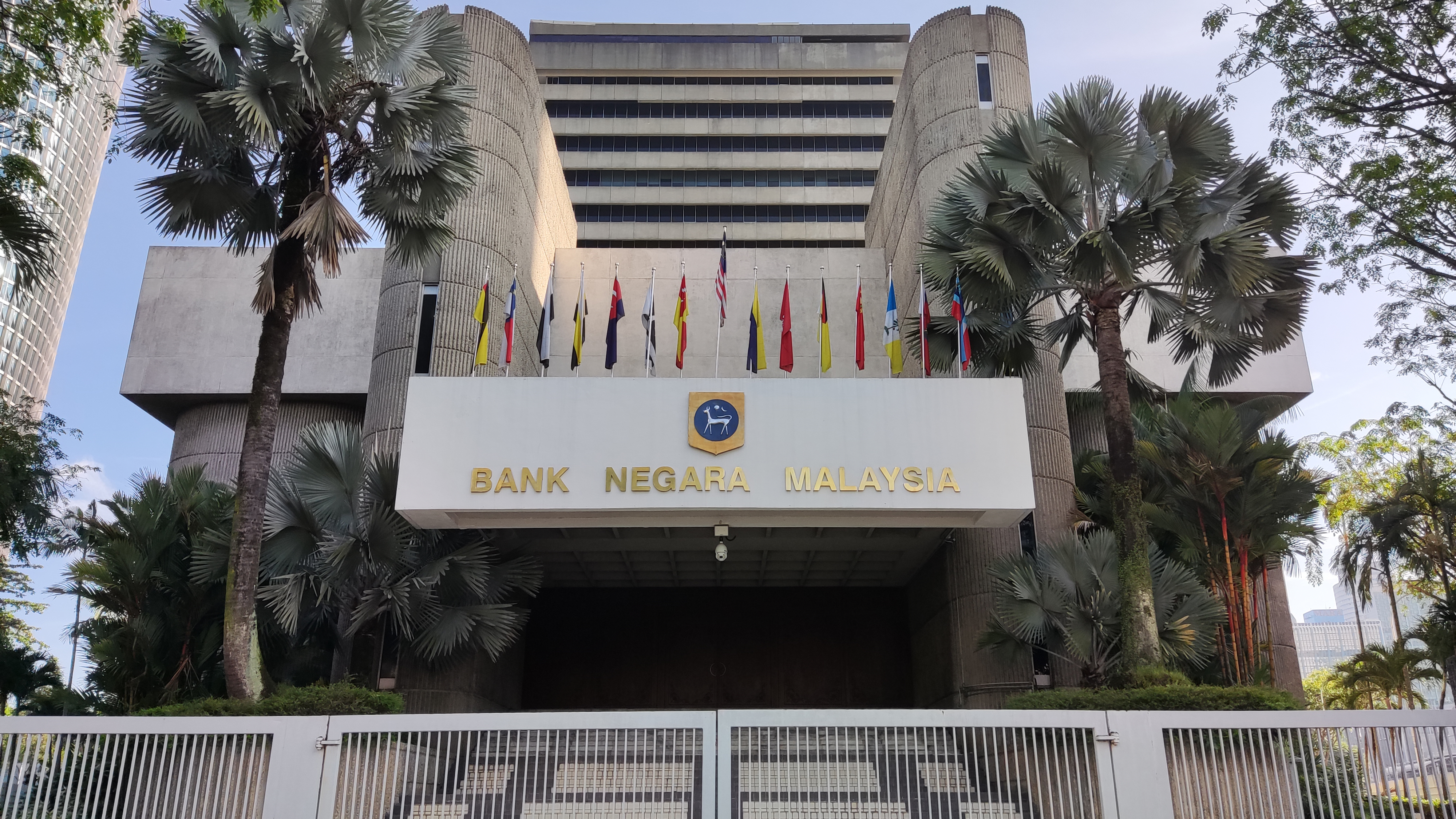
Central bank says rising tariffs, geopolitical conflicts and supply-chain realignments are reshaping global trade, investment and inflation dynamics.
BY TENGKU NOOR SHAMSIAH TENGKU ABDULLAH
KUALA LUMPUR, April 1 – Bank Negara Malaysia (BNM) warned that geopolitics is increasingly shaping the global economic landscape, with trade tensions, supply-chain realignments and regional conflicts now playing a decisive role in economic outcomes.
Speaking during the press conference following the release of the central bank’s Annual Report 2025, Economic and Monetary Review 2025, and Financial Stability Review, Governor Dato’ Sri Abdul Rasheed Ghaffour said the world economy is entering a period in which political developments increasingly influence trade, investment and financial markets.
“Geopolitics is no longer a backdrop to economic outcomes, but one of the main drivers,” he said.
According to Rasheed, economic decisions worldwide are now increasingly shaped by national security considerations, technological competition and efforts by companies to redesign supply chains for greater resilience.
The result is a global economy that is becoming more fragmented geopolitically while remaining deeply interconnected economically, allowing shocks to transmit faster across borders.
One clear example is the rising use of tariffs in global trade policy.
In 2025, some proposed US tariffs exceeded 20%, although negotiations and exemptions softened the immediate impact. Even so, Rasheed said firms are now making investment decisions under persistent trade policy uncertainty.
Supply chains are increasingly being redesigned not only for efficiency but also for strategic alignment and resilience.
The Governor also pointed to geopolitical flashpoints — particularly the conflict in the Middle East — as a source of renewed volatility in global energy markets.
Higher oil prices, shipping insurance premiums and disruptions to global logistics networks could raise inflation and dampen economic growth if geopolitical tensions intensify.
Despite these risks, the global economy is expected to continue expanding, supported by domestic demand and strong investment in artificial intelligence infrastructure, semiconductors and digital technologies.
BNM estimates global growth at between 2.7% and 3.2% in 2026, although risks remain tilted to the downside.
- TNS NEWS