


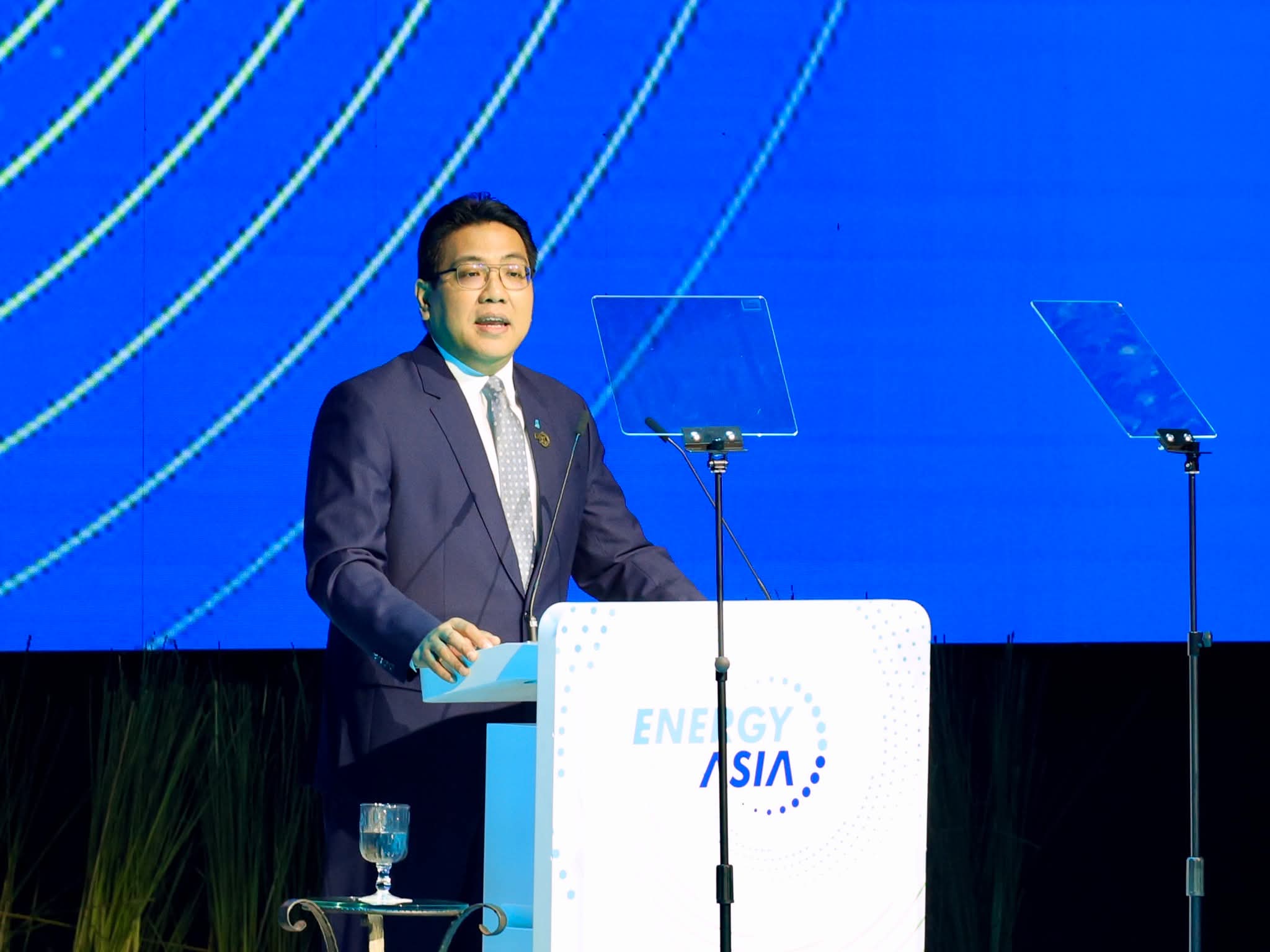

On Day 2 of Energy Asia 2025, Tengku Taufik and Daniel Yergin urge leaders to abandon complacency, fix policy fragmentation, and confront the surging energy demands of a digitised, divided era.
By PHUBIEYAS AHMAD
KUALA LUMPUR, June 17 — As the Energy Asia 2025 summit entered its second day, PETRONAS President & Group CEO Tan Sri Tengku Muhammad Taufik and S&P Global Vice Chairman Dr. Daniel Yergin delivered a sobering message: Asia’s energy equation is growing more volatile, more fragmented—and dangerously behind the curve.
From the exponential electricity needs of AI-driven data centres to Malaysia’s own trajectory toward becoming a net energy importer, both industry leaders called for coordinated, pragmatic action to build resilient energy systems before policy gaps and infrastructure strain tip the balance.
“We can no longer assume that producing energy to meet demand must be destructive,” Tengku Taufik said at a press conference on the second day of the event here today.

“But neither can we pretend that the transition will succeed if it leaves billions behind. Asia must grow—responsibly, equitably, and urgently.” AI Is Changing the Game—Faster Than the Grid Can Follow, Dr. Yergin, a global energy historian and strategist, said the AI revolution has triggered an unforeseen surge in electricity demand, particularly from hyperscale data centres.
That has in turn renewed pressure on natural gas supplies and intensified the scramble for copper—the metal underpinning electrification.
“We’re at the very early stages, but the rush is real,” said Yergin. “AI is now a driver of natural gas demand. And the materials needed to support this revolution—especially copper—are not yet aligned with the pace of deployment.” Tengku Taufik confirmed that Malaysia is preparing to import more energy within the next five years, citing the need for a third regasification terminal to meet demand in Peninsular Malaysia. “While East Malaysia retains export advantages, our domestic needs are surging,” he said.
“The 2 BCFD currently reaching our coast will soon be outstripped. LNG imports will become increasingly necessary.” From Globalisation to FragmentationYergin noted that the global energy system—once shaped by supply chains and liberalised trade—is now being pulled apart by nationalist politics, regulatory friction, and geopolitical insecurity.
“It’s still a globalised world, but it’s a more fragmented one,” he said. “And that affects everything—from where we source energy to how we invest in it.”
The EAGLE Forum: Call for Regional Cohesion At the closed-door Energy Asia Group Leadership Executive (EAGLE) Forum, leaders from oil, gas, finance, utilities, and multilaterals agreed on one thing: the transition will only move forward if ASEAN can deliver policy coherence and bankable frameworks.“Cross-sector collaboration must now produce measurable outcomes,” said Tengku Taufik.
“If projects are phased and structured to match the right investors, we can unlock the capital the transition desperately needs.” He added that today’s buyers no longer simply request fuel—they demand emissions accountability, CCS solutions, and decarbonisation partnerships.
Don’t Mistake Stability for Safety Despite the escalating Israel-Iran conflict, oil prices have remained relatively steady. But both leaders pushed back on the idea that markets are calm.
“Behind the scenes, we’re paddling furiously,” Tengku Taufik said. “PETRONAS has teams monitoring regional exposures 24/7. The real risk is that we again underestimate the importance of resilient supply in a crisis.”Yergin echoed the warning, invoking a century-old quote from Winston Churchill:“ Energy security lies in variety. That message from 1912 still applies in 2025.”
Malaysia’s Carbon Tax and Energy ReformAsked about Malaysia’s proposed carbon tax rollout by 2026, Tengku Taufik expressed cautious support —provided it is aligned with targeted subsidy reforms and transparent carbon pricing.
“Subsidies distort markets. If we want to attract serious capital and accelerate decarbonisation, we need to start pricing externalities properly,” he said.
He added that carbon pricing, if designed well, could incentivise mitigation technologies like CCS and unlock new revenue streams for producers. Turning Talk into Traction Beyond policy, Energy Asia 2025 is delivering action.
Among the concrete outcomes: Blue carbon collaborations with global researchers on mangrove-based sequestration Low-emission technology partnerships with firms like Marubeni Fast-tracked gas field development to support PETRONAS’ MLNG export lifeline “This isn’t just a trade show,” said Tengku Taufik.“We’re operationalising resilience—through technology, partnerships, and smarter systems.”
Final Take The underlying message from Day 2 was clear: Asia’s energy transformation cannot rely on optimism, nor can it be delayed by indecision. With AI accelerating demand, supply chains splintering, and climate risks mounting, the region needs to invest, reform, and integrate—fast. “This is no longer about choosing between growth or green,” said Tengku Taufik. “It’s about surviving and succeeding through both.”
- TNS News