



BY THE CONTRIBUTOR
KUALA LUMPUR, Sept 14 – I REFER TO the recent revelations surrounding the abuse of children at welfare homes are both heart-wrenching and enraging. The rescue of over 400 children from these facilities, many of whom were subjected to unimaginable horrors, raises urgent questions about the systems meant to protect Malaysia’s most vulnerable.
A Systemic Failure
The fact that such widespread abuse occurred in a setting supposedly designed for the welfare of children points to a systemic failure in the oversight and regulation of care homes. Institutions have been allowed to operate unchecked for years, despite previous police reports and accusations. The abuses—ranging from sexual exploitation and physical torture to the forced separation of children from their families—are a chilling indictment of a system that has failed those it was meant to protect.
While it is commendable that the authorities have now stepped in with police raids, arrests, and ongoing investigations, this action is long overdue. The scale of abuse that has been uncovered indicates that this was not an isolated incident, but part of a broader pattern of negligence and misconduct. This tragedy is a wake-up call for stronger and more proactive regulation of all institutions that claim to care for children.
The Aftermath: What Happens to the Rescued Children?
As critical as it is to bring the perpetrators to justice, an equally pressing issue is the future of the children rescued from these abusive homes. Many of them have experienced severe trauma—physically, emotionally, and psychologically. The impact of abuse can last a lifetime if not addressed properly, which is why immediate and long-term care must be prioritized.
This goes beyond mere health checks. These children need access to ongoing mental health services, trauma-informed counseling, and a safe, nurturing environment that can help them begin the healing process. The authorities must work hand-in-hand with child welfare experts and non-governmental organizations to ensure that these children receive the specialized care they need. Anything less would be a further betrayal.
A Call for Reform
While the immediate focus is on helping the victims and prosecuting the abusers, we must also look at the bigger picture. Malaysia’s child protection system is in dire need of reform. The authorities must not allow this to be just another scandal that fades away once the headlines change.
First, there must be more rigorous oversight of all childcare institutions. It is not enough to register facilities; regular inspections and unannounced visits should be mandatory. Institutions that fail to meet standards should be closed, and those in charge held accountable. There must also be transparency in the operations of these homes—parents and communities should be empowered to raise concerns without fear of retribution.
Second, the government should establish a Royal Commission of Inquiry to investigate how such organizations were able to operate for so long without detection. This Commission must deliver actionable recommendations, not just for reforming welfare homes, but for strengthening Malaysia’s child protection framework as a whole.
The Importance of Public Awareness
Public awareness is a critical component in preventing future abuses. Communities need to be more vigilant, and children’s voices must be heard and respected. Child abuse should not be a taboo topic, but one that is openly discussed, so that anyone can step in to protect a child in need. Media campaigns, educational programs, and community outreach can play a significant role in raising awareness and empowering individuals to act.
Moving Forward with Compassion and Justice
The welfare home scandal is a national tragedy. It reminds us that the safety of our children is a collective responsibility. While the ongoing investigations and arrests are a step in the right direction, this moment must spark lasting change. Malaysia has a moral obligation to ensure that the horrors these children endured are never repeated.
The path forward requires a combination of justice for the perpetrators, comprehensive care for the victims, and systemic reforms to prevent future abuses. We owe it to the children who suffered to turn their pain into a catalyst for change, ensuring that no child is ever subjected to such horrors again. This is not just about fixing a broken system—it is about rebuilding trust and restoring the humanity of those who were so brutally wronged.

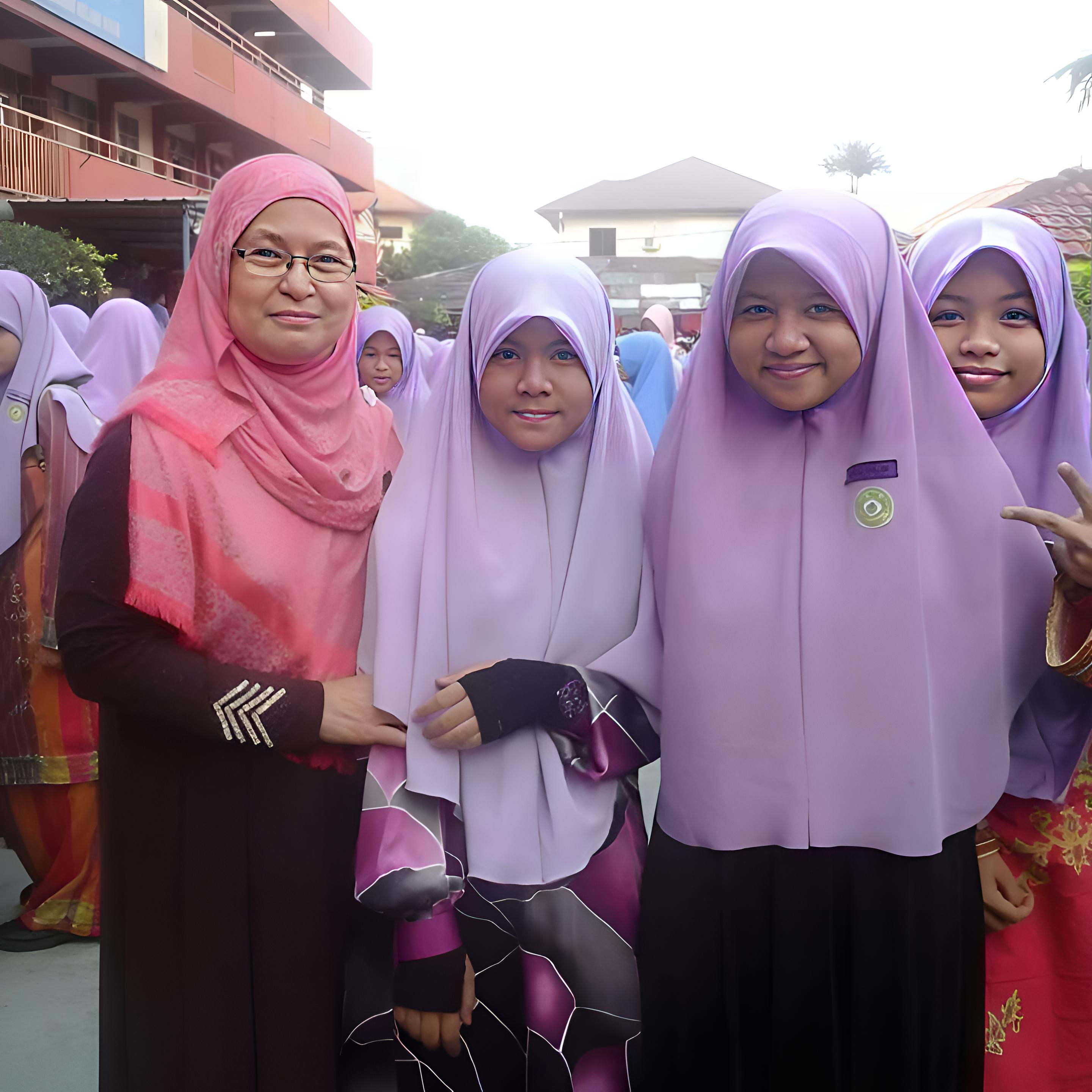
TENGKU NOOR KETINA TENGKU ABDULLAH, RETIRED HEADMISTRESS, SERI ABIM, SUNGAI RAMAL, KAJANG, SELANGOR.
Tengku Noor Ketina Tengku Abdullah is a respected Malaysian educator known for her significant contributions to the field of education. She served as the headmistress of Seri Abim, a well-regarded school located in Sungai Ramal, Kajang. During her tenure, she was instrumental in implementing various educational reforms and initiatives aimed at improving the quality of education and fostering a nurturing learning environment for students.
Her leadership at Seri Abim was marked by a commitment to academic excellence and holistic development. Tengku Noor Ketina emphasized the importance of both academic achievements and character building, ensuring that students were well-prepared for the challenges of the future.
Beyond her role at Seri Abim, Tengku Noor Ketina has been involved in various educational and community projects, reflecting her dedication to the betterment of society. Her efforts have earned her recognition and respect within the educational community and beyond.
- TNS News