


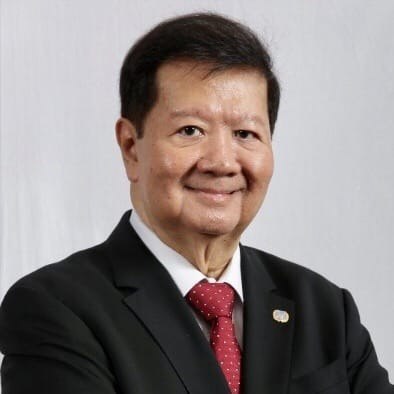

KSI President Tan Sri Michael Yeoh supports the government’s deferment but urges the development of sustainable revenue strategies to safeguard Malaysia’s fiscal future.
By TENGKU NOOR SHAMSIAH TENGKU ABDULLAH
KUALA LUMPUR, May 7 – The Malaysian government’s decision to defer the expansion of the Sales and Service Tax (SST) has been welcomed as a timely measure to ease inflationary pressures and support business recovery.
Yet, according to Tan Sri Michael Yeoh, President of the KSI Strategic Institute for Asia Pacific, this short-term relief must be accompanied by long-term fiscal planning to ensure the country’s financial resilience.
In an interview with TNS News, Tan Sri Yeoh praised the government’s responsiveness in delaying the SST expansion amid cost-of-living concerns and global economic volatility.
“The deferment is a sound policy decision under the current conditions. It gives much-needed breathing space to consumers and businesses still adjusting to post-pandemic realities,” he said.
Background: What Was the Proposed SST Expansion?
The government had initially planned to broaden the SST’s coverage to include a wider range of services and digital goods as part of its ongoing fiscal reform agenda.
This move was expected to enhance tax revenue and reduce reliance on volatile oil-related income. However, concerns about timing—particularly amid inflationary pressures and uncertain global growth—led to the decision to delay implementation.
Strategic Relief with Fiscal Implications
Tan Sri Yeoh, a respected thought leader in economic governance and public affairs, noted that while the delay alleviates immediate economic pressures, it also raises important questions about Malaysia’s fiscal trajectory.
“The trade-off is clear. Postponing SST expansion reduces short-term revenue, potentially widening the fiscal deficit and constraining the government’s ability to finance development and social programmes,” he cautioned.
To address the emerging fiscal gap, he proposed a range of policy options:
- A gradual SST rollout, beginning with non-essential sectors;
- Enhanced tax administration and compliance enforcement;
- A comprehensive review of current tax incentives and exemptions.
Conditions for Revisiting the SST
Tan Sri Yeoh underscored the need for future SST expansion to be tied to measurable improvements in macroeconomic indicators—such as sustained GDP growth, stable inflation, and stronger business sentiment.
He added that any future tax changes must be accompanied by transparent communication to avoid market disruption and build public trust.
“Stakeholders need advance notice and clarity on timing, scope, and rationale. Communication is essential for policy credibility and smooth implementation,” he said.
Regional Tax Trends Offer Lessons
Drawing comparisons with other ASEAN economies, Tan Sri Yeoh pointed to the greater revenue efficiency of VAT and GST systems, which are widely used across the region.
While acknowledging Malaysia’s unique socio-economic context, he noted that broader-based consumption taxes remain a viable long-term option.
“We must eventually transition to a more comprehensive, equitable, and sustainable tax system to support national development goals,” he added.
Conclusion: A Pause That Demands Planning
Tan Sri Michael Yeoh concluded that while the SST deferment is justified and welcome, it should be viewed as a strategic pause rather than a permanent fix.
“This decision reflects the government’s sensitivity to current economic realities. But it also places a responsibility on policymakers to chart a long-term fiscal roadmap—one that ensures financial sustainability without compromising growth and equity,” he said.
- TNS NEWS

Executive Summary
The Malaysian government’s decision to delay the expansion of the Sales and Service Tax (SST) offers short-term economic relief, particularly in light of ongoing inflation and global uncertainty. Tan Sri Michael Yeoh, President of the KSI Strategic Institute for Asia Pacific, views the move as prudent—but warns that long-term fiscal resilience will depend on follow-up measures. These include strengthened tax administration, rationalised incentives, and clear communication on future tax policy. The deferment, he notes, is a “strategic pause”—not a permanent solution.