


Malaysia Faces Energy Shock as Hormuz Crisis Threatens 38% of Oil Supply
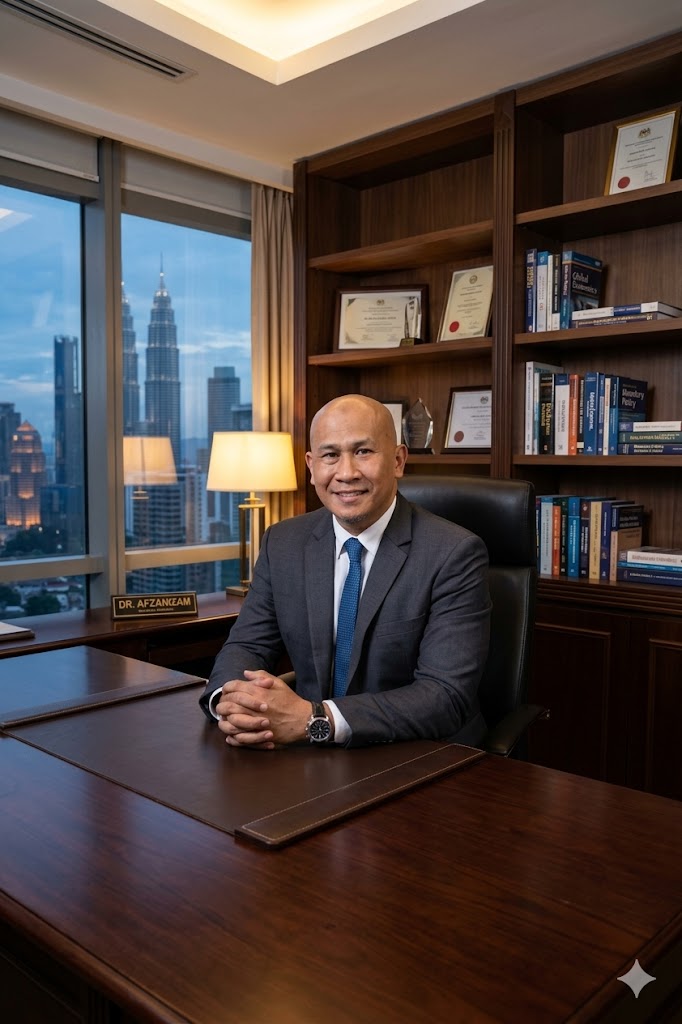
Bank Muamalat economist Dr Mohd Afzanizam Abdul Rashid warns elevated global oil prices and rising business costs could persist even if a ceasefire holds
BY TENGKU NOOR SHAMSIAH TENGKU ABDULLAH
KUALA LUMPUR, April 17 – Rising tensions around the Strait of Hormuz are exposing Malaysia to a potential energy shock, with about 38 percent of the country’s oil and gas supplies moving through the strategic Gulf chokepoint, according to Bank Muamalat Malaysia Bhd Chief Economist Dr Mohd Afzanizam Abdul Rashid.
The risk intensified after US President Donald Trump announced a naval blockade of the waterway, one of the world’s most critical energy transit routes and a corridor through which roughly one-fifth of global oil trade flows.
Speaking in an exclusive interview with TNS News, Dr Afzanizam warned that the disruption could keep global oil prices elevated and raise business costs across Malaysia even if diplomatic efforts eventually lead to a ceasefire.
“The straits represent 20% of global oil and gas supplies where Malaysia procure 38% from such waterway. Certainly, this will shake the balance in respect to oil supplies and already, the crude oil prices have spiked up,” he said.
Global oil prices surged above US$100 per barrel following renewed tensions surrounding the waterway, which sits between Iran and Oman and serves as the main transit route for crude exports from Gulf producers to international markets.

According to estimates cited by Dr Afzanizam, about 38 percent of Malaysia’s oil and gas procurement moves through the Strait of Hormuz, leaving the country vulnerable to supply disruptions and price volatility.
“Not only that, it also affect the stockpile of petroleum products. Hence, business cost and the cost of living are likely to increase,” he added.
Higher energy prices typically feed directly into transport costs, manufacturing inputs and food production, potentially amplifying inflationary pressures across the economy.
Even if diplomatic efforts succeed in calming tensions, the economist cautioned that damage to energy infrastructure in the Gulf region could take years to repair.
“Even if some truce can be achieved, the damages to the oil and gas infrastructure and facilities in the gulf region will take years to be repaired and reconstructed. For now, oil prices are likely to stay elevated,” he said.
For Southeast Asia, the implications extend beyond energy supply. Analysts warn that prolonged disruption to Gulf shipping routes could push fertiliser prices closely linked to natural gas costs 15 to 20 percent higher during the first half of 2026, raising concerns over regional food security.
Countries heavily dependent on imported energy, including several ASEAN economies, may therefore face a combination of higher inflation, tighter fiscal conditions and slower economic growth if tensions persist.
Geopolitical conditions remain fluid. Iran has warned that it could retaliate against foreign military vessels operating near the strait, while several major powers have called for restraint.
The United Kingdom has said it does not support the blockade, while French President Emmanuel Macron has indicated that a multinational mission could be considered to safeguard freedom of navigation in the region.
For now, analysts say markets are likely to remain volatile until shipping flows through the Strait of Hormuz stabilise and the broader conflict shows signs of de-escalation.
About Dr Mohd Afzanizam Abdul Rashid
Dr Mohd Afzanizam Abdul Rashid is Chief Economist at Bank Muamalat Malaysia Berhad, where he provides strategic macroeconomic analysis on fiscal and monetary developments.
He previously held senior roles at the Employees Provident Fund (EPF), Bank Islam Malaysia Berhad, Khazanah Nasional, Retirement Fund Incorporated (KWAP), and Malaysian Rating Corporation Berhad (MARC).
Dr Afzanizam also serves as an Adjunct Professor at Universiti Teknologi MARA (UiTM) Puncak Alam and advises the Parliament of Malaysia’s Special Select Committee on Finance and Economy.
He holds a PhD in Economics and an MBA in Applied Finance and Investment from Universiti Kebangsaan Malaysia, as well as a BBA (Hons) in Finance and a Diploma in Investment Analysis from UiTM.
– TNS NEWS