


BY TENGKU NOOR SHAMSIAH TENGKU ABDULLAH
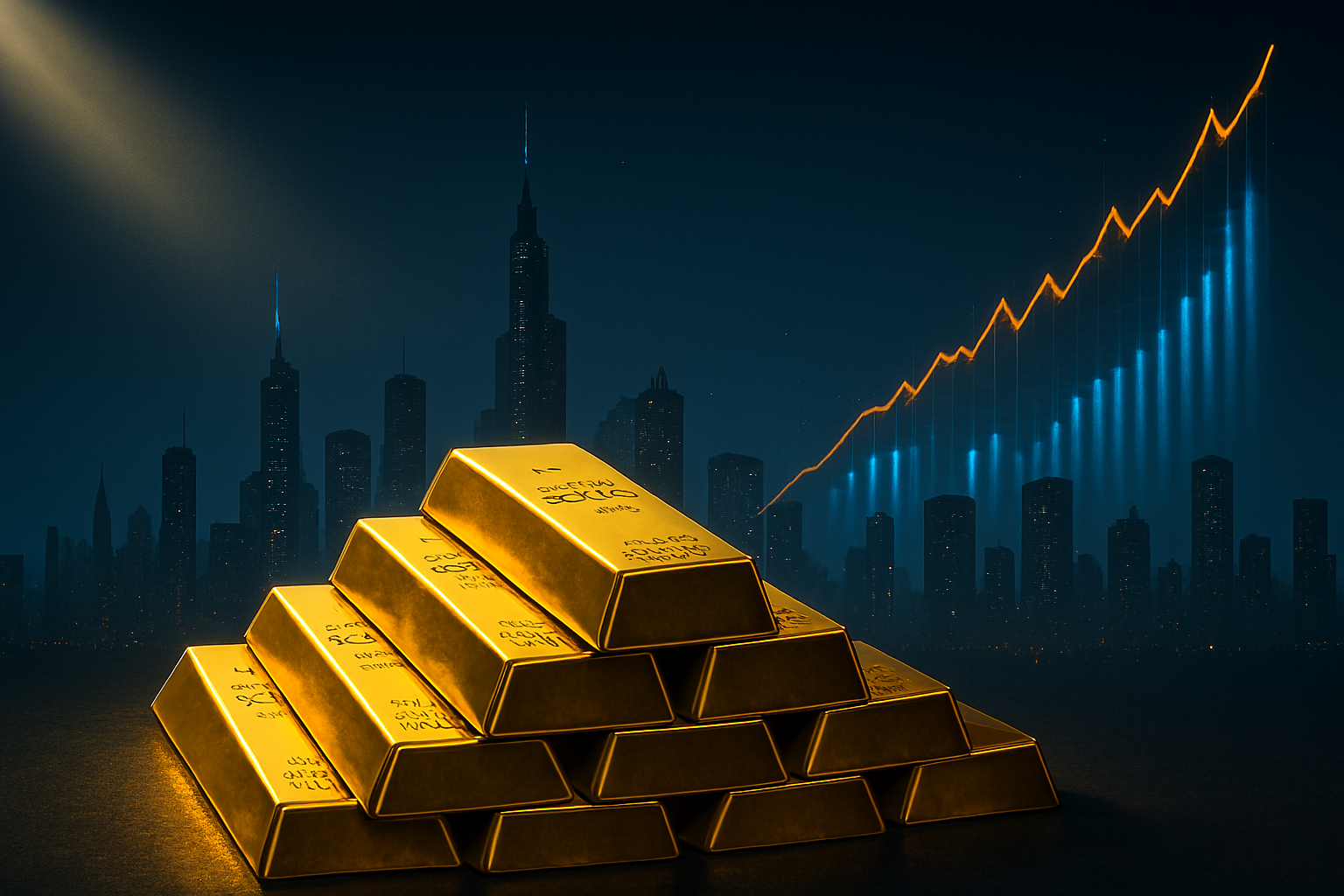
Kuala Lumpur, Feb 24 – By 2026, gold remains resolute, trading in the $5,200–$6,000 band. No mere happenstance, but a calculated outcome. Since 2022, central banks have escalated gold purchases—1,080 tonnes in 2022, 1,051 tonnes in 2023, and 1,089 tonnes in 2024—with China, India, Türkiye, Russia and Poland orchestrating a systematic pivot from dollar concentration.
According to Shan Saeed, Juwai IQI Global Chief Economist: “This transcends inflationary hedging. Gold is the lodestar of wealth preservation amid global macro fractures. Geopolitical rifts—from emerging currency blocs to trade recalibration—catalyze gold’s ascendancy. In 2026, a projected dollar debasement of 5–10% amplifies gold’s primacy. This dollar erosion underpins the central bank realignment, gold is indispensable.

Shan Saeed, Juwai IQI Global Chief Economist:
“Major financial houses concur. UBS envisions gold near $5,500 by late 2026; Goldman Sachs forecasts a glide path toward $8,000 by the early 2030s. JPMorgan aligns with structural tailwinds: persistent official buying, geopolitical volatility, and tangible asset supremacy,” Shan, a prominent global economist and financial commentator told TNS NEWS when asked to comment on the latest development on gold.
He said investor behavior mirrors these shifts. Institutional portfolios are tilting toward gold-backed ETFs and physical allocations, echoing central banks.
Simultaneously, fiscal and monetary policy uncertainty particularly fluctuating interest rate regimes—cements gold’s stabilizing role. Silver, oil, real estate, and agriculture follow suit, yet gold remains paramount.
By 2030, gold’s ascent to $10,000 is not speculative. It is anchored by sovereign strategy and investor re calibration. In this era, gold stands supreme—the apex asset anchoring global wealth strategy, added Shan, who specializes in global macroeconomics, wealth management, capital markets, and real estate investment.
- TNS News