


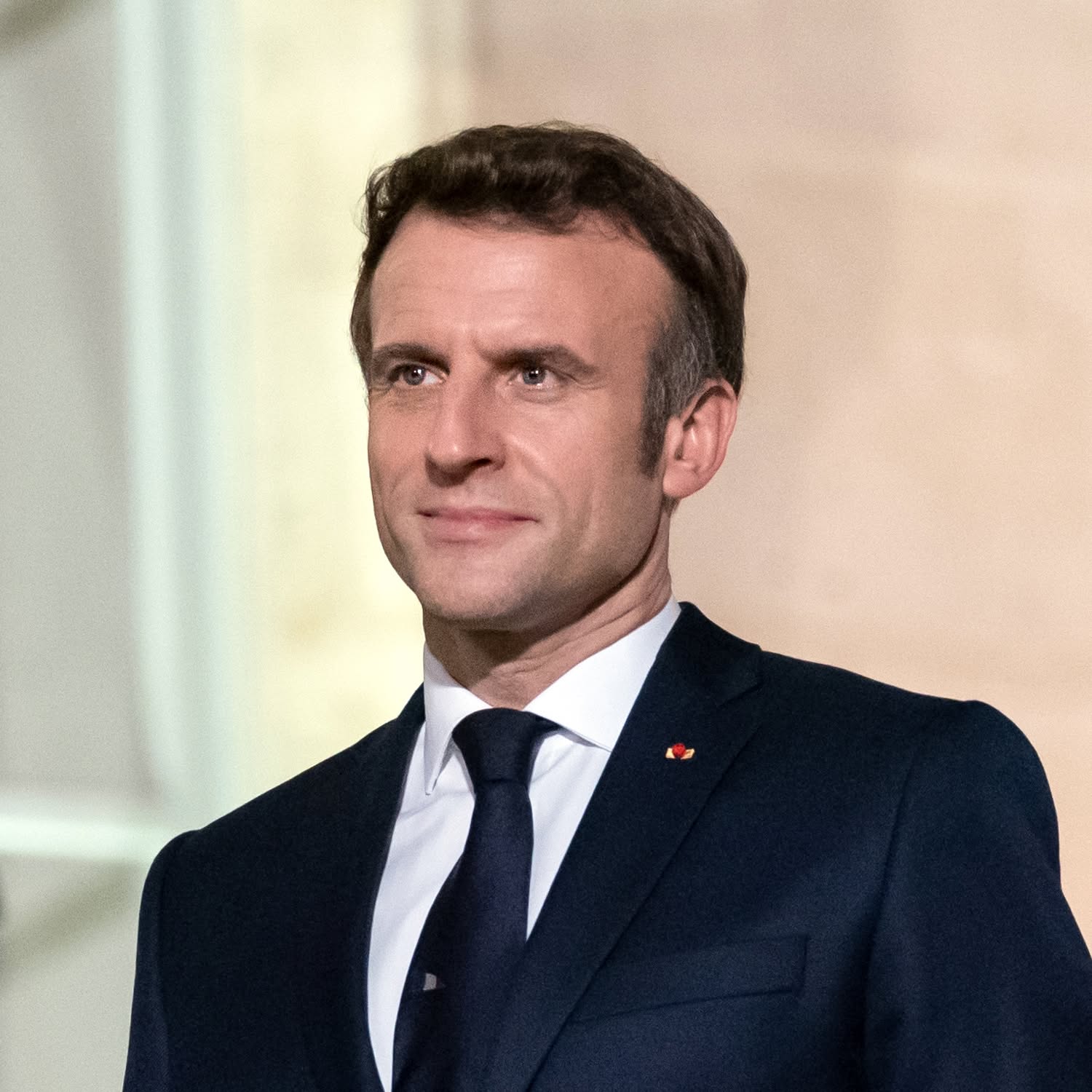
The French President has promised prosecutions and talks. Whether those talks deliver relief for students and households will shape the next phase of the crisis.
By TENGKU NOOR SHAMSIAH TENGKU ABDULLAH
19 October 2026 | World | News Analysis
President Emmanuel Macron has put restoring public order at the centre of his response to France’s unrest, while leaving the substance of new social measures to talks between the government, students and other groups.
His address on Sunday, 18 October, set out a method for managing the crisis. It did not settle the disputes over school conditions, household costs and public spending that brought demonstrators onto the streets.
On Monday morning, Macron rejected Interior Minister Laurent Nuñez’s resignation offer, the Élysée said, according to Reuters. He asked Nuñez to remain to maintain continuity of command and introduce new measures against looting. The decision keeps the minister responsible for implementing a response whose shortcomings are now under scrutiny.
What Macron Announced
“Those who destroyed must pay. Those who looted must reimburse,” Macron said, according to the Élysée transcript, in remarks translated from French.
He said prefects, working with mayors, would protect cities and property, including by prohibiting certain gatherings where necessary. This was not an announcement of a nationwide prohibition on peaceful protest.
He also requested a review of intelligence and preparedness, promised help for affected businesses and called for dialogue involving pupils, university students, teachers, unions, employers, local authorities and parliamentarians.
Macron acknowledged legitimate grievances and distinguished peaceful demonstrators from those responsible for destruction. However, he also attacked calls to create disorder ahead of the presidential election, language likely to sharpen the political dispute over his response.
The Scale Of The Damage
The Interior Ministry’s Sunday evening tally, reported by CNews and other French outlets, recorded 2,397 arrests connected with Saturday’s unrest and 997 injured police officers and gendarmes, seven seriously. The tally covers the events of 17 October; later arrests were reported separately.
Public buildings and businesses were attacked in several cities. Fire devastated the historic town hall in Limoges and damaged Lyon’s tourist office, while groups entered Marseille’s city hall. The scale of the destruction has made security, compensation and the recovery of affected businesses immediate government priorities.
The protests themselves had a much wider base. The Interior Ministry estimated 550,000 participants nationwide on Saturday; the CGT union put turnout at 800,000. These are competing estimates, rather than a single agreed count.
The distinction matters politically. Treating all demonstrators as rioters would obscure the grievances that drew peaceful participants into the marches. Equally, demands over schools and living costs do not excuse attacks on people or property.
Fuel Prices Were Addressed But Results Remain To Be Seen
Macron addressed fuel prices by linking the pressure to the Gulf conflict, referring to existing government action with distributors and promising further efforts to secure supplies through visits to Gulf countries.
The tour announced by the Élysée before the unrest covers Kuwait, the United Arab Emirates, Bahrain and Qatar from 19 to 21 October. AFP reported that securing additional diesel and oil supplies, and discussing transport routes, were among its objectives.
At home, the government announced on 7 October that 10 million barrels of diesel from strategic stocks would be made available to distributors at their pre-crisis acquisition cost. The Finance Ministry estimated a reduction of 12 to 18 euro cents a litre for three months. That is a projected effect, not proof that every motorist has already received the full reduction.
The question is therefore whether announced measures deliver affordable fuel quickly enough, rather than whether the government has announced any response at all. A supply agreement would still have to translate into deliveries and prices at service stations.
The Budget Limits The Choices
The proposed 2027 budget targets a deficit of 5% of GDP, compared with a forecast 5.4% in 2026. Lecornu has described the planned fiscal adjustment as €54 billion, encompassing spending restraint, revenue measures and the effect of existing policies.
Public debt stood at 119% of GDP at the end of the second quarter, according to INSEE. That constrains the room for further commitments, although it does not mean the government has no choices over taxation, spending priorities or the distribution of support.
The National Assembly’s published timetable schedules a vote on the revenue section for 20 October and a vote on the second part and the bill as a whole for 17 November. These are scheduled Assembly stages, not a guarantee of final enactment on those dates.
Macron’s address contained no newly quantified package on wages, pensions or school funding. For households and students seeking immediate commitments, the substance still depends on the government’s follow-through.
The Next Test Comes After The School Holiday
The All Saints’ holiday began after classes on 17 October, with pupils in mainland France’s standard school calendar returning on 2 November. This could reduce school blockades temporarily, but it does not establish that wider protest or disorder will stop.
Lecornu said on 7 October that the first decisions responding to the school crisis would be presented at the end of the month. The timing makes the detail important: measures announced before reopening could influence whether pupils return to class or resume mobilisation.
A second date is already fixed. In a joint statement dated 5 October, the CFDT, CGT, Force Ouvrière, UNSA and FSU called for strikes and demonstrations on 5 November over wages, public services, employment and industry.
Rail unions have also called for action that day. The scale of disruption will depend on participation and operational arrangements; a strike call is not a confirmed national shutdown.
The joint call predates Saturday’s violence. It therefore shows that organised discontent has its own timetable and cannot be assessed solely through the government’s handling of the riots.
Our Assessment
Macron’s strategy seeks to restore control while opening a route to negotiation. Its strength is that it separates criminal accountability from discussion of legitimate demands. Its weakness is that a process of consultation may offer little reassurance unless participants can see what will change and how it will be funded.
A temporary reduction in school-based action during the holiday is plausible. A lasting settlement is harder to predict. The government must show progress on education and household pressures while protecting the credibility of its budget.
Much will depend on implementation: whether support reaches damaged businesses, whether the school proposals address practical shortages, and whether restrictions on gatherings remain proportionate. Further serious injuries or poorly explained bans could add a dispute over policing to the existing social grievances.
The Gulf visit creates a parallel test. Additional supplies could help, but the political benefit depends on outcomes that consumers can observe. Diplomatic announcements alone cannot establish that pump prices will fall.
For Malaysia, the relevance lies in the interaction between energy costs, public finances and service delivery. France’s institutions and subsidy arrangements differ, but the underlying policy challenge is familiar: maintaining fiscal discipline while ensuring that households experience a credible response to rising costs.
The coming weeks will test whether Macron’s emphasis on order is followed by workable social measures. The school reopening on 2 November, the union action on 5 November and the budget debate provide milestones for judging delivery, not a predetermined timetable for another explosion of unrest.
- TNS NEWS