


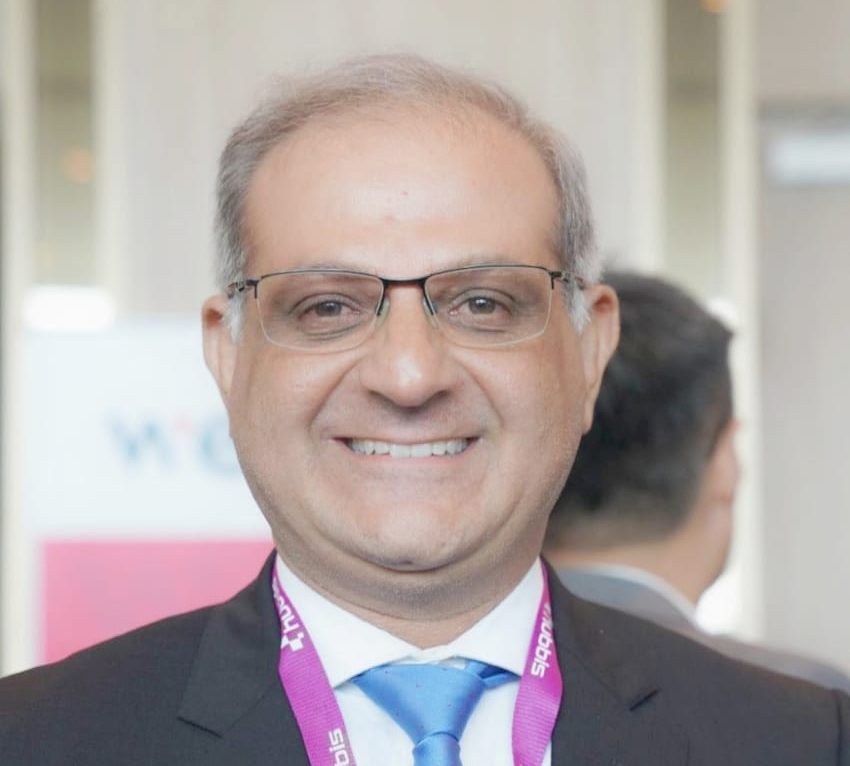

Shan Saeed, Global Chief Economist at Juwai IQI
Anwar outlines strategic reforms to strengthen domestic consumption, rationalise subsidies, and anchor investor confidence through inclusive growth policies.
By TENGKU NOOR SHAMSIAH TENGKU ABDULLAH
KUALA LUMPUR, July 24 – Prime Minister Anwar Ibrahim’s national address on 24 July 2025 marks a strategic pivot in Malaysia’s development model—anchored by the MADANI Economic Framework, aimed at driving inclusive, resilient, and performance-based growth.
At the heart of the announcement was a RM2 billion universal cash aid package, petrol price cuts, a toll freeze, and increased support for grassroots consumption—all wrapped within a fiscally responsible framework.
The announcement was delivered against the backdrop of a strengthening macroeconomic environment, with 4.4% GDP growth in Q1, RM384 billion in approved investments, and a 5% appreciation in the ringgit.
Malaysia’s international competitiveness also surged, rising 11 places to 23rd in the IMD World Competitiveness Ranking 2025.
Strategic Fiscal Choices: Aid with Prudence
The address introduced a one-off RM100 credit to every Malaysian adult via MyKad, reduced RON95 petrol to RM1.99/litre, and doubled the allocation for Jualan Rahmah MADANI to RM600 million—initiatives designed to stimulate domestic consumption while cushioning households from rising living costs.
According to Shan Saeed, Global Chief Economist at Juwai IQI, these moves demonstrate Malaysia’s ability to execute fiscally prudent stimulus without compromising macroeconomic stability.
“This is a smart use of fiscal tools,” Shan told TNS News. “The government is not printing new money—it’s reallocating savings from subsidy rationalisation to fund direct aid. That maintains fiscal discipline while injecting momentum into domestic demand.”
He stressed that the RM2 billion injection through SARA has a multiplier effect:
“You’re looking at a potential RM6 billion boost to consumption, especially in B40 communities. That’s good news for SMEs, retail, and logistics—sectors that rely on grassroots demand.”
Shan, who has over 22 years of experience in global finance and has advised institutional investors across ASEAN, added that Malaysia is “positioning itself smartly in a volatile global environment.
Subsidy Targeting: Political Sensitivity Meets Economic Reform
The government’s decision to lower petrol prices while targeting RON95 subsidies is a rare blend of reform and relief. Shan views this as a strategic balancing act.
“Fuel subsidy rationalisation is politically sensitive, but the government has managed to make it progressive—relief is still there for the masses, but leakages are plugged. That’s a confidence signal to investors and ratings agencies.”
He also praised the data-driven targeting using MyKad and regulated outlets:
“Digitising delivery mechanisms improves transparency and limits price manipulation. This reduces fiscal waste while preserving the rakyat’s purchasing power.”
Growth Anchored in Fundamentals
Shan noted that Malaysia’s broader economic fundamentals provide room for these policy manoeuvres.
“The ringgit is stabilising, inflation is below 2%, and foreign investment remains strong. With these indicators in place, small stimulus moves like the RM100 credit won’t threaten the fiscal balance—they’ll reinforce it.”
He added that the real value lies in predictability:
“Markets respond to clarity and consistency. Anwar’s government is signalling that growth will be inclusive, but not reckless.”
A Vision with Cautious Optimism
Beyond the numbers, Anwar’s speech mapped a development approach that includes labour market reform, poverty eradication initiatives, and a strong emphasis on grassroots economic empowerment.
The forthcoming Sejahtera MADANI programme, designed to partner with corporates to eliminate hardcore poverty, and the institutionalisation of living wages in GLCs/GLICs, are steps toward a more socially balanced economic future.
Shan concludes with measured optimism:
“Malaysia is aligning itself with the post-pandemic economic playbook—empower the bottom 40, stimulate domestic demand, and maintain macro stability. If sustained, this approach can help Malaysia punch above its weight in ASEAN.”
Conclusion: Fiscal Discipline with a Human Touch
Anwar’s economic reset is neither a populist giveaway nor an austerity plan—it’s a targeted, data-informed stimulus embedded in broader structural reform. As experts like Shan Saeed observe, Malaysia’s ability to marry fiscal prudence with inclusive intent may well define its resilience in the next phase of global uncertainty. – TNS NEWS