



By TNS News Analysis Desk
KUALA LUMPUR — A civil lawsuit filed against Prime Minister Datuk Seri Anwar Ibrahim has sparked a wider constitutional debate, following the High Court’s decision on June 4 to reject his application to refer eight constitutional questions to the Federal Court.
The suit, filed by former research assistant Muhammad Yusoff Rawther, relates to alleged misconduct in 2018 — before Anwar assumed the office of Prime Minister. While the case is civil in nature and ongoing, the Prime Minister’s legal team sought clarification from the apex court on whether a sitting Prime Minister can be subjected to such litigation, citing potential constitutional implications.
Anwar has since filed a notice of appeal. Clarifying Constitutional BoundariesIn a public statement, Anwar stressed that his legal application was not an attempt to seek immunity from legal proceedings, but rather to safeguard the principles of governance.
“This matter has never been about seeking personal immunity or escaping legal scrutiny,” the Prime Minister said. “It concerns the integrity of our constitutional system and the need to ensure that high public office is protected from litigation that may be strategically timed, politically motivated, or institutionally disruptive.”
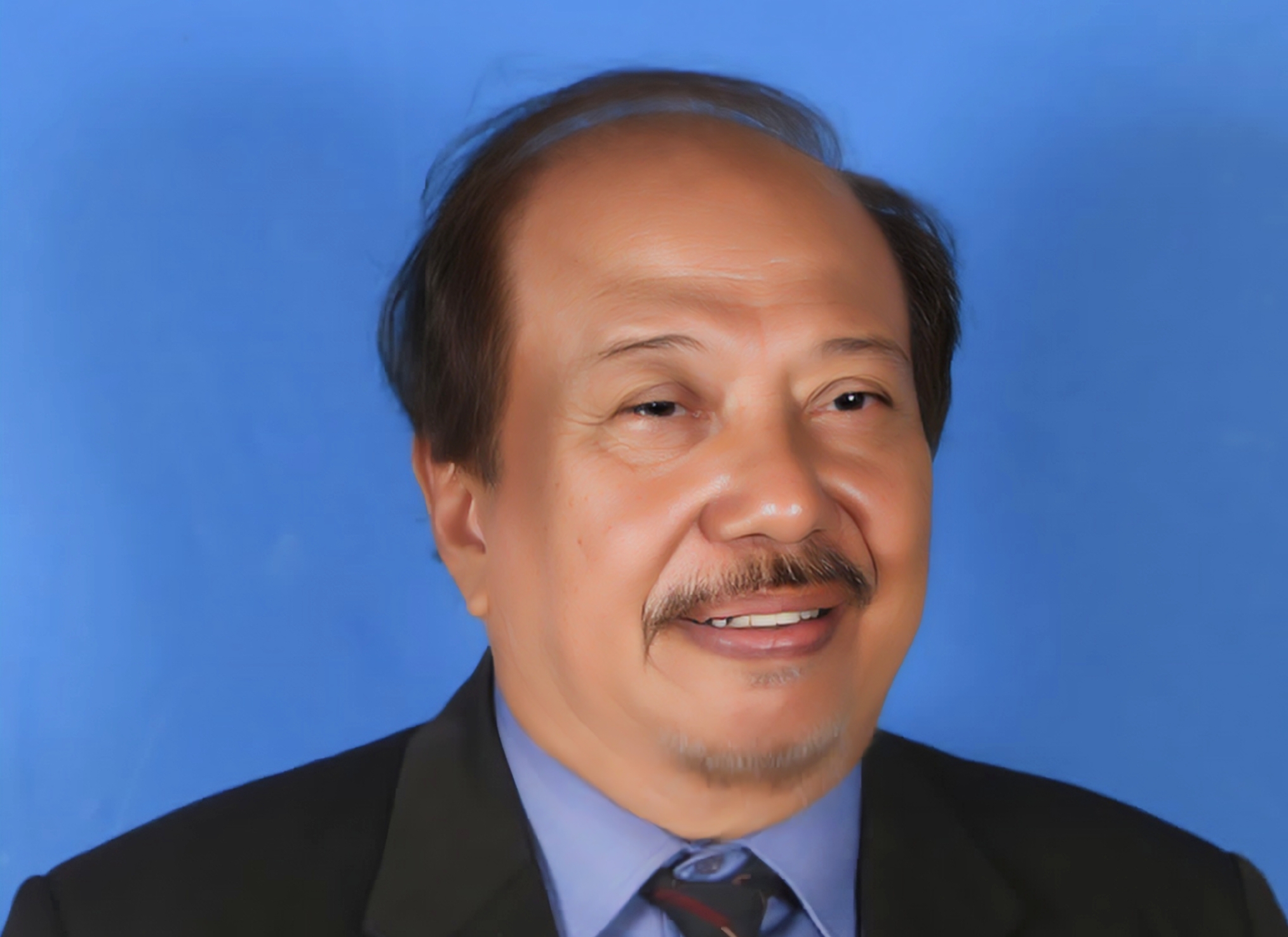
Expert View: A Legitimate Constitutional QuestionLegal experts say the matter raises important constitutional issues, including whether civil actions involving a Prime Minister should be paused or reviewed differently while the officeholder is actively serving.“It is essential to distinguish between legal immunity and constitutional clarity,” said Datuk Mokhtar Ngah, a constitutional lawyer and Managing Consultant at Messrs Mokhtar Ngah & Co. “The Prime Minister’s move to seek Federal Court clarification was not about avoiding responsibility, but about defining how our constitutional framework applies to sitting national leaders.”He added that such questions, once addressed, could benefit Malaysia’s legal and political systems in the long term.
“This is a test case. Malaysia has never fully resolved the question of whether a sitting Prime Minister can face civil litigation for past acts. Clarifying this would strengthen legal consistency and the stability of public office,” Mokhtar said.
Legal Process Will ContinueThe Prime Minister has affirmed his commitment to the ongoing legal process and the independence of the judiciary.
“The legal process will continue, and I will continue to discharge my responsibilities without distraction or compromise,” he said.
With the appeal now in motion, it will be up to the higher courts to decide whether the constitutional questions merit full consideration by the Federal Court. The outcome may offer critical guidance for future cases involving public officeholders — balancing rule of law with the demands of national governance.
Conclusion
This matter remains before the courts, and no determination has been made on the substance of the civil suit. As the case proceeds, it presents an opportunity for Malaysia to reflect on how its legal institutions interpret constitutional responsibilities in a maturing democracy.
TNS News will continue to follow the case as it develops.
- TNS News